











Chapter 13IMAT Biology
Bacteria and Archaea
Bacteria and Archaea are two of the three domains of life, the other being Eukarya. Both Bacteria and Archaea are prokaryotes, meaning they are single-celled organisms that do not have a defined nucleus or other membrane-bound organelles. Despite their small size and simple cell structure, bacteria and archaea are incredibly diverse and play important roles in various ecosystems.
One way to classify bacteria is by their cell wall structure. Bacteria with a thick peptidoglycan layer in their cell wall are referred to as gram-positive, while those with a thin peptidoglycan layer and an outer membrane are gram-negative. The gram stain, a laboratory technique developed by Danish bacteriologist Hans Christian Gram, is used to differentiate between these two types of bacteria.
Bacteria and archaea can be found in almost every environment on Earth, from the deepest oceans to the highest peaks of the Himalayas. They can be free-living or exist in symbiotic relationships with other organisms. Bacteria are essential for various processes in the environment, including nitrogen fixation, decomposition, and the production of antibiotics. Archaea are often found in extreme environments, such as hot springs and salt mines, and are thought to be some of the oldest organisms on Earth.
Despite their many beneficial functions, bacteria and archaea can also cause diseases in humans, animals, and plants. Understanding the structure, behavior, and characteristics of these tiny organisms is crucial for improving public health and maintaining the balance of ecosystems.
Section 13.1
Main Characteristics of Bacteria
Bacteria are unicellular microorganisms that display several distinct characteristics, setting them apart from other forms of life such as viruses, fungi, and eukaryotic cells. In this discussion, we will cover the main features of bacteria, including their cell structure, reproduction, metabolic diversity, and genetic organization.
Cell structure:
- Bacteria are prokaryotic cells, meaning they lack a nucleus and membrane-bound organelles. Their genetic material is organized in a single circular found in the nucleoid region of the cell.
- The bacterial cell wall is composed of peptidoglycan, a unique polymer providing structural support and protection. Bacterial cell walls can be classified as either gram-positive (thick peptidoglycan layer) or gram-negative (thin peptidoglycan layer with an additional outer membrane).
- Some bacteria have additional structures such as flagella (for motility), pili (for adhesion and DNA transfer), and capsules (for protection and evasion of the host immune system).
Reproduction:
- Bacteria reproduce asexually through binary fission, a process in which a single cell divides into two identical daughter cells. This process allows for rapid population growth under favorable conditions.
- Some bacteria can also transfer genetic material between cells through processes such as conjugation, transformation, and transduction, which contributes to their genetic diversity and adaptation.
Metabolic diversity:
- Bacteria exhibit a wide range of metabolic capabilities, enabling them to inhabit diverse environments and utilize various energy and carbon sources.
- Based on their energy source, bacteria can be classified as phototrophs (using light for energy) or chemotrophs (using chemical compounds for energy).
- Based on their carbon source, bacteria can be classified as autotrophs (using inorganic carbon, such as CO2) or heterotrophs (using organic carbon, such as ).
- Bacteria can also be classified based on their oxygen requirements: aerobic (requiring oxygen), (not requiring oxygen), or facultative anaerobic (capable of growing with or without oxygen).
Genetic organization:
- Bacteria have a single, circular chromosome that contains all their essential genetic information. In addition, they can carry small circular pieces of DNA called plasmids, which often contain genes that provide additional functions, such as antibiotic resistance or specialized metabolic capabilities.
- Bacteria can also undergo horizontal gene transfer, which allows them to acquire new genetic traits from other bacteria. This process plays a significant role in the rapid evolution and adaptation of bacterial populations.
In summary, bacteria are prokaryotic microorganisms with unique characteristics such as a peptidoglycan cell wall, a single circular chromosome, diverse metabolic capabilities, and asexual reproduction through binary fission. These features, along with their ability to rapidly adapt and evolve through processes like horizontal gene transfer, contribute to the incredible diversity and ubiquity of bacteria in our world.
Section 13.2
Gram Positive and Negative
Gram Staining
Gram staining is a laboratory technique used to distinguish between different types of bacteria. It involves using a series of dyes and washes to stain and visualize bacterial cells under a microscope.
When a bacteria is “Gram-positive,” it means that it appears purple when stained using the Gram staining technique. This is because the thick layer of peptidoglycan in the bacterial cell wall traps the purple dye and prevents it from being washed away during the staining process.
In contrast, when a bacteria is “Gram-negative,” it appears pink or red when stained using the Gram staining technique. This is because the thinner layer of peptidoglycan in the bacterial cell wall allows the purple dye to be washed away during the staining process. Instead, a counterstain with a pink or red dye is used to stain the bacteria.
The terms “Gram-positive” and “Gram-negative” were coined in honor of their discoverer, Danish bacteriologist Hans Christian Gram, who first developed the technique in 1884.
Main Differences Between Gram Positive and Gram Negative
Gram-positive and gram-negative bacteria differ in their cell wall structure and composition, leading to distinct staining properties during the gram stain procedure and varied responses to environmental stress and antimicrobial agents. In this discussion, we will delve deeper into the main differences between gram-positive and gram-negative bacteria, providing examples to emphasize their unique characteristics.
Cell wall composition:
- Gram-positive bacteria: These bacteria have a thick peptidoglycan layer, typically accounting for 40-90 percent of the cell wall dry weight. This layer is located outside the plasma membrane and lacks an outer membrane. Examples of gram-positive bacteria include Staphylococcus aureus, Streptococcus pneumoniae, and Bacillus subtilis.
- Gram-negative bacteria: They possess a thin peptidoglycan layer, which constitutes only 5-10 percent of the cell wall dry weight. This layer is sandwiched between the plasma membrane and an outer membrane rich in lipopolysaccharides. Examples of gram-negative bacteria include Escherichia coli, Pseudomonas aeruginosa, and Neisseria gonorrhoeae.
Outer membrane:
Gram-positive bacteria: They lack an outer membrane, and their thick peptidoglycan layer is often associated with teichoic acids, which are polymers of glycerol or ribitol linked by phosphate groups. These teichoic acids contribute to the overall negative charge of the cell surface and can play a role in adhesion, virulence, and resistance to host defenses. Gram-negative bacteria: The outer membrane is a defining feature of gram-negative bacteria. It contains lipopolysaccharides (LPS), lipoproteins, and phospholipids. LPS contributes to the structural integrity of the cell and can act as an endotoxin, triggering immune responses in the host. The outer membrane also contains porins, which are proteins that form channels for the passage of small molecules.
Permeability and antibiotic resistance:
- Gram-positive bacteria: The absence of an outer membrane in gram-positive bacteria makes them more permeable to certain antibiotics, such as penicillin and vancomycin, which target peptidoglycan synthesis. However, they can still develop resistance through various mechanisms, such as the production of beta-lactamases or alterations in penicillin-binding proteins.
- Gram-negative bacteria: The outer membrane of gram-negative bacteria acts as a barrier to many antibiotics and other antimicrobial agents. The presence of efflux pumps and the limited permeability of the outer membrane contribute to their increased resistance to antibiotics, such as penicillin, which cannot easily penetrate the outer membrane.
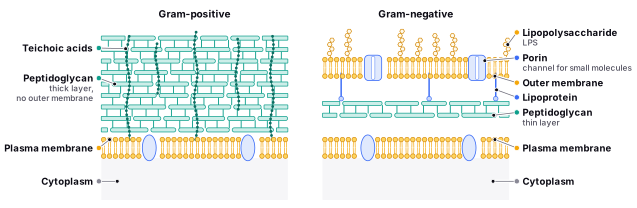
Find it in the figure
Coming soon for figure 13.1
In summary, gram-positive and gram-negative bacteria exhibit key differences in their cell wall composition, the presence of an outer membrane, and their permeability to antibiotics. These differences are crucial in determining their staining properties, susceptibility to antimicrobial agents, and the strategies employed by these bacteria to survive in various environments. Examples of gram-positive bacteria include Staphylococcus aureus and Streptococcus pneumoniae, while Escherichia coli and Pseudomonas aeruginosa are examples of gram-negative bacteria..
Section 13.3
Prokaryotic Metabolism
Prokaryotic metabolism refers to the chemical reactions that take place within prokaryotic cells, which are single-celled organisms that do not have a defined nucleus or other membrane-bound organelles. Prokaryotes include bacteria and archaea. These organisms require specific nutrients to carry out their metabolic processes, including macronutrients and micronutrients.
Macronutrients are nutrients required in large amounts for the proper functioning of prokaryotic cells. They include carbon, nitrogen, oxygen, hydrogen, phosphorus, and sulfur. Carbon is the primary building block for cellular structures, while nitrogen is essential for the synthesis of proteins and nucleic acids. Oxygen and hydrogen are critical for the production of water and cellular respiration. Phosphorus is required for the formation of nucleic acids and , while sulfur is a key component of some amino acids and vitamins.
Micronutrients, also known as trace elements, are required in smaller amounts but are still essential for the proper functioning of prokaryotic cells. These include metals like iron, copper, zinc, magnesium, and manganese. Micronutrients often serve as cofactors for enzymes, helping to facilitate various metabolic reactions.
Prokaryotic cells obtain energy from the breakdown of organic compounds, such as sugars and amino acids, through a process called cellular respiration. There are several types of cellular respiration that prokaryotes can use to generate energy, including aerobic respiration, anaerobic respiration, and fermentation.
Aerobic respiration is the process by which prokaryotes obtain energy by using oxygen as the final electron acceptor in the electron transport chain. During aerobic respiration, glucose is broken down into , and the energy released is used to produce ATP. Oxygen is required for aerobic respiration, and the end products of this process are water and carbon dioxide.
Anaerobic respiration is the process by which prokaryotes obtain energy in the absence of oxygen. This type of respiration can occur in two ways: by using an inorganic compound, such as sulfur or nitrate, as the final electron acceptor, or by using fermentation. Fermentation is the process by which prokaryotes produce ATP by breaking down glucose or other organic compounds in the absence of oxygen. The end products of fermentation are typically alcohol or .
Some bacteria, known as chemolithotrophs, can obtain energy by oxidizing inorganic compounds like hydrogen sulfide, ammonia, or ferrous iron, while others, called phototrophs, can harness energy from sunlight through photosynthesis. These alternative energy sources allow bacteria to survive in a wide range of environments, from deep-sea hydrothermal vents to the upper atmosphere.
Prokaryotic metabolism is similar to cellular respiration in eukaryotic cells, which are cells that have a defined nucleus and other membrane-bound organelles. Both prokaryotic and eukaryotic cells use cellular respiration to generate energy from the breakdown of organic compounds. However, there are some differences in the pathways and mechanisms of cellular respiration between prokaryotes and eukaryotes.
For example, prokaryotes have a simpler set of cellular machinery, and their cellular respiration often occurs in the cell membrane or the cytoplasm, whereas eukaryotes have specific organelles, such as mitochondria, where cellular respiration takes place. Additionally, prokaryotes can employ a wider range of metabolic strategies and energy sources, as mentioned earlier, enabling them to inhabit diverse ecological niches.
In summary, prokaryotic metabolism encompasses a variety of processes that enable bacteria and archaea to obtain energy and nutrients. These organisms require macronutrients and micronutrients to fuel their metabolic reactions, and they can utilize a range of energy sources through aerobic respiration, anaerobic respiration, fermentation, chemolithotrophy, and photosynthesis. While there are similarities between prokaryotic and eukaryotic metabolism, the differences in cellular structures and metabolic flexibility allow prokaryotes to thrive in a wide array of environments.
Electron Transport Chain in Bacteria?
In bacteria, the electron transport chain (ETC) is a crucial component of cellular respiration and energy production. Similar to eukaryotic cells, the ETC in bacteria is composed of a series of protein complexes and enzymes that facilitate the transfer of electrons from donors to acceptors, ultimately resulting in ATP production, which is the primary energy source for cells.
The ETC in bacteria is typically situated within the cytoplasmic membrane, containing various electron carriers such as cytochromes, quinones, and iron-sulfur clusters. These carriers are capable of accepting and transferring electrons, eventually delivering them to an electron acceptor like oxygen or nitrogen. The electron transfer process within the ETC generates a proton gradient across the membrane, which subsequently powers ATP synthesis through chemiosmosis.
Bacterial ETCs exhibit a remarkable diversity based on the electron donors and acceptors they utilize. Some bacteria employ photosynthesis, using light as the electron donor to generate energy. Others rely on chemical compounds like sugars or organic acids for electron donation, while some can even exploit inorganic substances like hydrogen gas or sulfur compounds. The electron acceptors also vary among bacteria, with some utilizing oxygen, nitrogen, sulfur, or metal ions, depending on their specific metabolic needs and environmental conditions.
This adaptability of bacteria to employ different types of ETCs based on their available electron donors and acceptors showcases their versatility and ability to thrive in a wide range of environments. Understanding these diverse metabolic pathways in bacteria contributes to our knowledge of their ecological roles and potential applications in biotechnology, such as bioenergy production or bioremediation.
Section 13.4
Bacterial Infections
Bacterial infections occur when harmful bacteria invade the body and multiply, causing damage to the host's tissues and triggering an immune response. These infections can range from mild to severe, depending on the type of bacteria, the infected area, and the host's immune system.
Bacteria can enter the body through various routes, such as open wounds, the respiratory system, ingestion, or direct contact with contaminated surfaces. Once inside the body, they can adhere to and colonize host tissues, producing harmful substances called virulence factors. These factors include toxins, enzymes, and other molecules that can damage host cells, disrupt normal body functions, and evade the immune system.
The immune system plays a crucial role in fighting off bacterial infections. White blood cells called phagocytes are responsible for engulfing and destroying bacteria, while other immune cells release chemicals that help to contain and eliminate the infection. The immune system can also produce specific proteins called antibodies, which recognize and neutralize bacteria or their toxins.
The primary treatment for bacterial infections is the use of antibiotics. Antibiotics are drugs that target specific structures or processes in bacterial cells, such as cell wall synthesis or protein production, ultimately leading to the bacteria's death or inhibition. It is essential to choose the appropriate antibiotic for each infection, as different antibiotics are effective against specific types of bacteria. Physicians may rely on diagnostic tests, such as bacterial culture and antibiotic susceptibility testing, to determine the most effective treatment.
It is crucial to follow the prescribed antibiotic treatment to ensure the complete eradication of the infection and prevent the development of antibiotic resistance. Antibiotic resistance occurs when bacteria evolve mechanisms to withstand the effects of antibiotics, making the drugs less effective or ineffective. To minimize the risk of antibiotic resistance, it is essential to use antibiotics only when necessary and as prescribed by a healthcare professional.
Preventing bacterial infections is also important, and it can be achieved through various measures, including proper hygiene, food handling, and vaccination. Washing hands regularly, cleaning and disinfecting surfaces, and preparing and storing food safely can help reduce the risk of bacterial infections. Vaccines are available for some bacterial infections, such as tetanus, diphtheria, and meningococcal disease, providing protection by stimulating the immune system to recognize and eliminate the bacteria.
In summary, bacterial infections are caused by harmful bacteria invading the body and causing damage to host tissues. The immune system plays a vital role in defending against these infections. Treatment typically involves the use of antibiotics, and prevention strategies include proper hygiene, food handling, and vaccination.
Section 13.5
Bacteria and Biotechnology
Bacteria play a significant role in the field of medicine and biotechnology. They are utilized for various purposes, including the production of antibiotics, vaccines, enzymes, and other essential molecules, as well as for gene therapy and bioremediation. Here is a detailed discussion on some of the ways bacteria are used in medicine and biotechnology:
Antibiotics production: Many antibiotics, such as penicillin, streptomycin, and tetracycline, are derived from bacteria, particularly from the genera Streptomyces and Bacillus. These antibiotics are used to treat bacterial infections in humans and animals. Bacteria-derived antibiotics have been a cornerstone of modern medicine, enabling the successful treatment of previously lethal infections.
Vaccine production: Bacteria are used in the production of certain vaccines, either as whole-cell vaccines or by producing recombinant proteins. For example, the BCG vaccine, used against tuberculosis, is derived from an attenuated strain of Mycobacterium bovis. In another example, genetically engineered Escherichia coliare used to produce recombinant proteins, such as the Hepatitis B surface antigen, which is then used to develop the Hepatitis B vaccine.
Enzyme production: Bacteria are widely employed in the production of enzymes for various industrial and medical applications. For instance, Bacillus subtilis is used to produce proteases and amylases, which find applications in detergents, food, and textile industries. E. coli and other bacteria are also used for producing medically important enzymes, such as insulin and tissue plasminogen activator (tPA), which is used to treat blood clots in patients with stroke or myocardial infarction.
Probiotics: Certain strains of bacteria, such as Lactobacillus and Bifidobacterium, are used as probiotics to promote gut health and support the immune system. Probiotics are live microorganisms that, when ingested in adequate amounts, confer health benefits to the host. They can be found in various food products, including yogurt, fermented milk, and dietary supplements.
Gene therapy: Bacteria can be genetically engineered to deliver therapeutic genes into human cells, offering a potential treatment for various genetic disorders. For example, researchers are investigating the use of modified Listeria monocytogenes to deliver cancer-fighting genes directly into tumor cells, potentially providing a targeted treatment for cancer.
Bioremediation: Bacteria can be employed in bioremediation, a process that uses living organisms to degrade or detoxify hazardous substances in the environment. For instance, Pseudomonas species can break down toxic chemicals like polychlorinated biphenyls (PCBs) or petroleum hydrocarbons in contaminated soils, helping to clean up polluted sites.
In conclusion, bacteria play a vital role in medicine and biotechnology, providing valuable resources for drug development, disease prevention, and environmental remediation. Their versatility and adaptability make them an essential component of modern biotechnological applications.